Retrospec Solana Yoga Mat Review: Comfort, Grip, and Performance Guide
Introduction to Extra-Thick Exercise Mats
Working out on hard floors can turn a promising home fitness routine into a uncomfortable ordeal. Hardwood, glazed tile, and concrete offer zero give, transferring every bit of impact directly back into your knees, elbows, and lower back. While standard thin mats are excellent for keeping your footing secure during standing yoga poses, they frequently fall short when your body needs serious cushioning against a unforgiving surface.
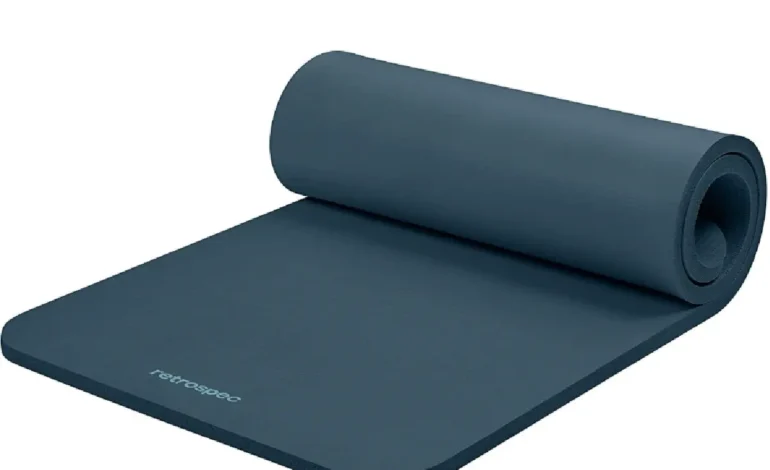
If you find yourself folding up towels or doubling over a flimsy pad just to get through floor exercises, upgrading your gear makes practical sense. For anyone searching for deep joint relief during floor routines, the retrospec solana yoga mat stands out as a dedicated extra-thick option designed specifically to make ground work comfortable. Understanding how thickness, material density, and surface grip interact will help you decide whether a high-cushion mat matches your personal fitness habits and body mechanics.
Key Factors in Choosing a Yoga or Exercise Mat
Selecting the ideal exercise mat is rarely about finding a single product that does everything perfectly. Instead, it comes down to balancing structural trade-offs. What provides luxurious comfort during a core workout might make balancing on one leg a bit trickier.
1. Cushioning versus Ground Stability
Thick exercise mats excel at distributing body weight across a broader surface area. When you drop down into a tabletop position or lie on your back for abdominal crunches, generous padding prevents sharp pressure points on exposed bones like the knees, hips, and spine. However, soft materials yield under load. That compression dampens your connection to the floor, which can make intricate standing balance work feel slightly unstable compared to practicing on a thin, firm mat.
2. Material Composition
The material of a mat dictates its density, weight, and tactile response under pressure:
- NBR (Nitrile Rubber): Known for its soft, cloud-like cushioning and remarkably lightweight feel. NBR offers high elasticity, absorbing pressure effortlessly, which makes it the standard choice for extra-thick exercise mats.
- PVC (Polyvinyl Chloride): Highly durable with good surface stickiness, though density and eco-friendliness vary widely across manufacturers.
- TPE (Thermoplastic Elastomer): A middle-ground synthetic option that balances lightweight cushioning with firmer rebound energy.
- Natural Rubber: Heavy, dense, and exceptionally grippy, offering supreme stability but very little plush padding.
3. Portability and Storage
Thick foam mats carry significant physical volume. Even though materials like NBR are surprisingly light, a rolled-up one-inch mat occupies far more closet space or car trunk real estate than a standard 3mm studio mat. If you plan to travel with your mat or walk to a local studio, simple features like an included shoulder strap and easy-roll flexibility become daily necessities rather than mere bonus accessories.
Features and Design of the Retrospec Solana Yoga Mat
When taking a closer look at the retrospec solana yoga mat, its defining feature is immediate: noticeable depth. Available in substantial half-inch (12.7 mm) and one-inch (25.4 mm) variations, this mat prioritizes joint protection over minimalism.
| Feature | Specification Details | Practical Benefit |
|---|---|---|
| Primary Material | High-density NBR foam | Delivers lightweight, plush shock absorption for sensitive joints |
| Thickness Options | 1/2-inch (12.7 mm) or 1-inch (25.4 mm) | Protects bony prominences from painful contact with hard floors |
| Surface Structure | Ribbed non-slip texture | Improves traction and helps keep the mat grounded during movement |
| Portability Systems | Integrated nylon carrying strap | Makes transporting a bulky foam roll simple and hassle-free |
| Chemical Profile | Phthalate and BPA free | Provides a safer material profile for enclosed indoor spaces |
Constructed from high-density NBR foam, the mat features distinct horizontal ribs across both the top and bottom surfaces. These micro-ridges help channel light moisture away and provide basic traction against flat indoor flooring. For individuals recovering from joint discomfort or those who simply dislike the harsh feel of a thin mat, this generous foam layer creates an inviting barrier over chilly tiles or hard wood.
Performance Analysis: Comfort, Stability, and Grip
To understand where an extra-thick mat shines—and where it reaches its structural limits—it helps to analyze how high-density NBR foam behaves under different physical demands.
Cushioning and Joint Support
Floor-based exercises place localized pressure on surprisingly small areas of the body. Kneeling positions put significant weight directly onto the patella, while side planks concentrate force straight into the elbow joint. On a thin mat, these contact points press against the subfloor, causing sharp discomfort that often cuts sets short.
The thick NBR construction compresses smoothly under load, cradling the body’s pressure points. During roll-downs, bridge lifts, or kneeling hip openers, the foam absorbs force gradually, allowing you to focus entirely on your movement form rather than floor hardness.
Standing Balance and Ground Connection
The primary trade-off for deep comfort is a reduced ground connection during standing postures. In single-leg poses like Tree Pose (Vrksasana) or balance-heavy lunges, your feet press into the foam, causing the material beneath your arch and heel to sink. This depth forces the small stabilizing muscles of the ankle and foot to work significantly harder to maintain center.
If your daily routine revolves around intricate standing balance flows, you may find the thick padding overly buoyant. However, a quick adjustment—stepping off the mat onto the hard floor for standing balance drills while reserving the soft mat for floor sequences—gives you the best of both worlds.
Surface Traction and Moisture Handling
The finely ribbed texture offers dependable friction for dry hands and standard athletic clothing during low-to-moderate intensity routines. Gentle stretching, mobility sessions, and traditional mat Pilates remain securely grounded.
Because NBR is a closed-cell foam, it does not absorb fluid. In sweaty conditions or hot yoga classes, perspiration pools on top of the mat rather than soaking in, which can cause slipping. Keeping a non-slip microfiber yoga towel nearby solves this issue instantly by absorbing excess moisture while keeping the thick foam padding intact beneath you.
Buyer Decision Framework: Is This Mat Right for You?
Choosing an extra-thick exercise pad depends largely on your preferred movement style, your physical sensitivity, and where you train. Use this quick guide to weigh your options.
Ideal Candidates
- Mat Pilates & Core Enthusiasts: Anyone regularly performing spinal roll-overs, hollow holds, or side-lying leg series will appreciate the spine and hip protection.
- Individuals with Joint Sensitivity: A practical choice for practitioners dealing with sensitive knees, wrist discomfort, or thin skin over bony joints.
- Restorative & Gentle Yoga Practitioners: Perfect for Yin yoga, gentle stretching, or extended breathwork sessions where lingering comfortably on the floor is the main goal.
- Home Fitness Users on Hard Subfloors: Excellent for basement gyms, concrete garage spaces, or tiled living rooms where insulation and softness are needed.
Alternative Considerations
- Vinyasa & Power Yoga Fans: Practitioners who rely on quick, dynamic transitions, jumps through to seating, and heavy hand balances usually require a firm, non-squishy surface (3mm to 5mm thick) for immediate feedback.
- Hot Yoga Practitioners: High-humidity environments call for open-cell natural rubber or specialized polyurethane mats that absorb sweat actively to maintain grip.
Recommended Practices and Safe Movement Guidelines
Exercising on a soft, high-cushion surface alters how force moves through your body. Following a few practical movement adjustments ensures you get the maximum benefit while moving safely:
1. Mindful Wrist Positioning
When palms press into plush NBR foam during push-ups or tabletop poses, the heels of the hands sink slightly lower than the fingers, shifting the wrist into deeper extension. To protect your wrist joints, spread your fingers wide and press actively through your knuckles and fingertips to distribute weight evenly across the entire hand structure.
2. Adapting Balance Footing
Never feel obligated to stay on the mat during difficult balance postures. If you feel your ankles wobbling excessively during single-leg drills, simply step your supporting foot onto the bare floor. Return to the mat once you drop back down for kneeling or lying poses.
3. Progressive Warm-Ups
Allow your joints and connective tissues time to acclimate to new routines. Start your sessions with soft mobility work on the mat before escalating to heavier loading or longer isometric holds.
Maintenance, Care, and Longevity
Proper maintenance protects high-density NBR foam from premature breakdown, keeping your exercise space hygienic and fresh.
Routine Cleaning
- After Every Session: Wipe down the surface with a damp cloth to remove skin oils, dust, and light sweat.
- Periodic Deep Clean: Mix warm water with a few drops of gentle dish soap. Lightly wipe the mat using a soft microfiber cloth. Avoid harsh chemical sprays, solvents, or abrasive scrub brushes, which can tear soft foam.
- Drying Technique: Always hang or lay the mat flat to air-dry completely in a shaded area before rolling. Never leave NBR foam under harsh direct sunlight, as strong UV rays accelerate foam degradation and cause color fading.
Storage Best Practices
Roll the mat loosely with the top textured side facing outward. This prevents the corners from curling upward when you unroll it for your next workout. Store the rolled mat indoors in a cool, dry location away from pets who might scratch the soft foam surface. Using the included harness keeps the roll secure and compact in storage.
Frequently Asked Questions
Is an extra-thick mat suitable for beginners?
Yes, absolutely. Beginners often find thicker mats far more inviting because they remove the immediate physical barrier of floor hardness, allowing new practitioners to focus on learning correct movement patterns without joint pain.
Can I wear shoes on the retrospec solana yoga mat?
It is best to use the retrospec solana yoga mat barefoot or wearing non-slip grip socks. Outdoor athletic shoes, stiff trainers, or rough tread patterns can easily scratch, gouge, or tear soft NBR foam over time.
How do I stop the mat from sliding on smooth floors?
Ensure both the back of the mat and your underlying floor are free from dust, hair, and wax residue. A quick wipe down of the subfloor with a damp cloth restores the natural grip of the bottom ridges against hardwood or tile.
What should I do if I experience joint pain during exercise?
While thick cushioning relieves surface pressure on knees and elbows, it cannot correct internal joint issues. If you feel sharp, persistent, or worsening pain during movement, stop the exercise and consult a qualified healthcare professional or physical therapist.
Final Thoughts
Adding a plush, high-density foam surface to your home fitness space completely transforms floor-based workouts. By offering generous cushioning, the retrospec solana yoga mat effectively removes the physical discomfort of hard flooring, letting you focus entirely on building strength, flexibility, and core stability. While dynamic standing balance routines naturally call for a firmer foundation, this extra-thick pad remains a reliable, comfortable choice for anyone prioritizing joint protection during floor training.
Related Guides
Explore more useful resources related to this topic: