Explosive Diarrhea Parasite Outbreak: What to Know About Cyclospora
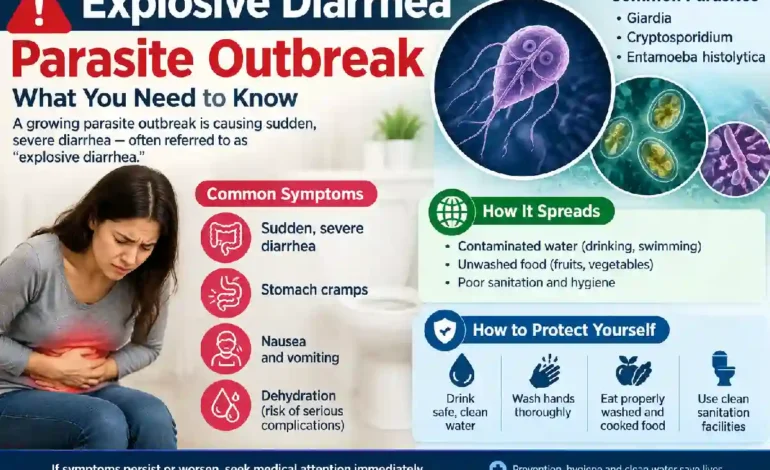
Such terms as “explosive diarrhea parasite outbreak” have become pretty popular due to the recent outbreak of cyclosporiasis, an infectious disease caused by a special parasite known as Cyclospora cayetanensis.
The term “explosive diarrhea” is not a medical term but means a loose bowel movement in a sudden and extremely intense way. This kind of diarrhea has become one of the main symptoms of infection and has caught public attention.
There are plenty of gastrointestinal signs of cyclosporiasis, such as explosive diarrhea, abdominal pain, bloating, nausea, weakness, lack of appetite, and weight loss in some cases. Sometimes such symptoms may last for several weeks and recur after the period of improvement.
There has been one of the largest outbreaks of cyclosporiasis in the USA in 2026. A recently registered outbreak beat all previous records when several thousand people were infected due to consuming infected vegetables.
The next article will provide you with information concerning explosive diarrhea parasites, ways of Cyclospora transmission, symptoms, treatment, and prevention of this disease.
What Is the “Explosive Diarrhea Parasite”?
The “explosive diarrhea parasite” is the parasite Cyclospora cayetanensis.
This parasite is a microscopic one that affects the gastrointestinal tract. An infection with this parasite is the disease known as cyclosporiasis.
Along with other symptoms, the most common one is diarrhea. In some cases, the severity of the bowel movement can be explosive.
Other symptoms may include:
- Stomach cramping,
- Bloating,
- Gas,
- Nausea,
- Tiredness,
- Lack of appetite,
- Loss of weight,
- Fever
What Causes the Recently Identified Parasite Outbreak?
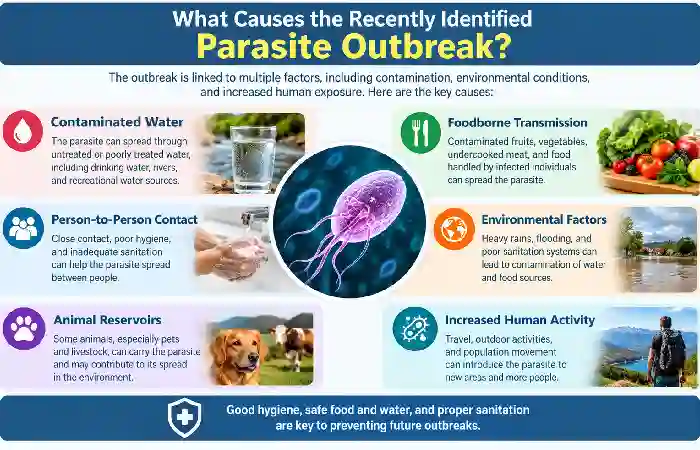
There has been information about the outbreak of cyclosporiasis in the US in 2026.
As a result, the outbreak has become the largest outbreak in the US due to Cyclospora. By September 2026, reports state that the outbreak has ended, with almost 13,000 cases reported in 21 states.
Shredded iceberg lettuce was considered a reason for the outbreak; the investigation was still in progress. As a result, the reports state that many people were hospitalized during the outbreak, and there were two confirmed deaths.
It should be noted for readers that as more information about the investigation comes out, the reports on the outbreak can change.
What Is Cyclosporiasis?
Cyclosporiasis is the condition resulting from an infection by Cyclospora cayetanensis.
These parasites can be found in the small intestine and can lead to chronic gastrointestinal disorders.
Unlike gastroenteritis, cyclosporiasis can continue for days or even several weeks, and at times, patients may have recurring symptoms.
Cases of sickness differ.
Whereas some people suffer from mild symptoms, some people can suffer from dehydration and diarrhea.
In line with the guidelines issued by the Centers for Disease Control and Prevention in regard to foodborne outbreaks, Cyclospora has been put among the parasitic pathogens causing foodborne illnesses with symptoms including nausea, diarrhea, lack of appetite, weight loss, cramps, gas, fatigue, and fever.
Why Is This an “Explosive Diarrhea” Parasite?
It gained widespread recognition due to the nature of one of the most common symptoms associated with this disease.
It is known to cause watery diarrhea and, at times, explosive diarrhea.
The medical community refers to this critical symptom of the disease as “explosive diarrhea.”
It should be noted that:
Explosive diarrhea does not mean Cyclospora infection.
There are other illnesses that could cause sudden diarrhea.
They include:
- Viral infections
- Bacterial infections
- Food poisoning
- Other parasites
- Medication side effects
- Food intolerance
- Digestive disorders
A laboratory test may be needed to determine the cause of persistent or severe diarrhea.
What Are the Symptoms of Cyclospora?
The most frequent sign of cyclosporiasis is watery diarrhea.
But the symptoms may differ.
Common Symptoms
It may be accompanied by:
- Watery diarrhea
- Frequent bowel movements
- Abdominal cramps
- Bloating
- Gas
- Nausea
- Loss of appetite
- Fatigue
- Weight loss
Some patients may have such symptoms as vomiting and low fever.
Without proper treatment, infection may persist for several weeks.
How Severe Can the Diarrhea Be?
There is variability in the severity of symptoms among people.
Some patients have mild symptoms, while others may have:
- Regular visits to the toilet
- Fluid loss
- Fatigue
- Unable to eat properly
- Weight loss
Chronic diarrhea may result in dehydration.
How Does Cyclospora Spread?
Cyclospora infections arise due to consumption of contaminated food and water.
Food contamination by Cyclospora is a result of contaminated water, soil, and feces.
Some fresh foodstuffs could be contaminated before purchasing.
Examples of foods that have been linked to Cyclospora outbreaks are:
- Leafy Vegetables
- Lettuce
- Fresh Herbs
- Berries
- Others
Recent reports show that the 2026 outbreak is caused by shredded iceberg lettuce.
Why Is It Challenging to Investigate Cyclospora Outbreak?
Investigation of cases of foodborne diseases is often difficult.
There are some challenges that make it difficult to investigate Cyclospora outbreaks.
Delayed Symptoms
Symptoms appear after a period of time following infection.
It makes it challenging to know the food item that causes the infection.
Short Shelf-Life of Fresh Foods
During an outbreak, the foodstuffs may be exhausted.
For investigation
Everyone consumes a lot of different food.
It becomes difficult to know the type of food causing a person to become ill.
Contamination May Occur At Any Stage in the Food Chain
The contaminated food might have been contaminated during the stages of:
- Growing
- Harvesting
- Processing
- Transportation
- Preparation
What Foods Have Been Linked to Cyclospora?
Cyclospora has a history of being linked to fresh produce.
Past outbreaks or investigations have involved:
- Salad greens
- Fresh herbs
- Berries
- Cilantro
- Basil
- Snow peas
- Other fruits and vegetables
But produce becomes contaminated when there is a failure of the food safety system or exposure to contaminated water and the environment.
How Is Cyclospora Treated?
The treatment varies from one person to another depending on their symptoms and overall medical condition.
In cases where there is a confirmed case of Cyclosporas, medications can be prescribed by healthcare professionals to cure the disease.
There are other measures to consider, including:
- Taking in fluids
- Electrolyte replacement
- Reposing
- Medical advice
Self-diagnosis should never be done after reading information from the Internet.
How to Prevent Cyclospora Infection
Nevertheless, here are some tips to prevent food poisoning.
- Hand Washing
Wash hands with water and soap before:
- cooking
- eating
- after using the toilet
- while changing diapers
- while touching potentially contaminated things
Hand washing is the easiest way to prevent the transfer of various infections.
- Wash Fruits and Vegetables
Wash fruits and vegetables with clean running water.
Clean all visible dirt.
Don’t think that packaged and pre-sliced products are safe from infection.
Fruits and vegetables must be washed following instructions on food packaging.
- Food Recalls
Listen to the announcements from the public health authorities.
If you notice that the product you purchased is recalled:
- don’t use the product
- follow instructions for its disposal
- clean potentially contaminated surfaces
- Don’t Allow Cross-Contamination
Make sure that kitchen areas are clean.
Clean utensils and cutting boards after cooking.
If necessary, separate raw foods from cooked foods.
- Drink Clean Water
Use water only from safe sources.
Contaminated water may cause various infectious diarrheas.
According to the World Health Organization, the causes of diarrheal diseases are bacteria, viruses, and parasites, which may be transferred by contaminated food and drinking water.
Cyclospora vs. Other Causes of Diarrhea
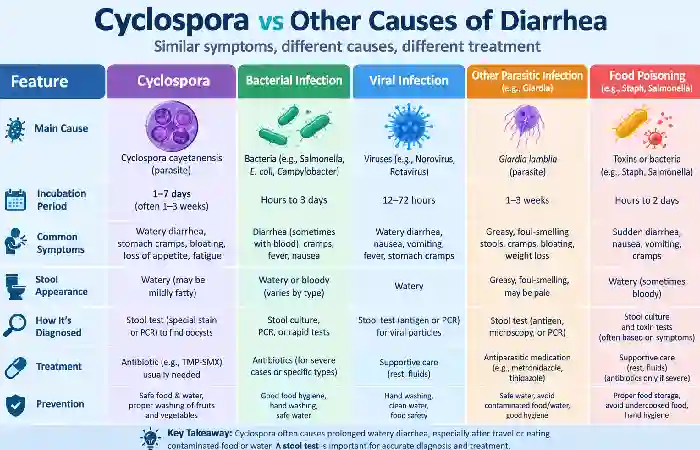
However, not all instances of severe diarrhea are due to Cyclospora.
Various infectious agents can attack the digestive system.
Viruses
Viruses are a common cause of stomach infections.
An example is viruses causing gastroenteritis.
Bacteria
Bacteria may cause food poisoning.
Various bacterial infections may cause diarrhea, fever, vomiting, or abdominal pain.
Other Parasites
Other parasites may also infect the digestive system.
Giardia and Cryptosporidium are examples of such parasites that can lead to the disease.
According to CDC guidelines, various parasites can cause foodborne outbreaks, including Cyclospora, Giardia, and Cryptosporidium.
Non-infectious causes
There are other reasons for diarrhea, which include:
- Food allergies
- The effects of medications
- Digestive issues
- Stress and anxiety
This is why laboratory tests and consultations are essential.
Who Is Most at Risk of Serious Problems?
Anyone can acquire food poisoning.
Dehydration and continued illness can be more problematic for:
- Children
- The elderly
- Pregnant women
- Individuals with a compromised immune system
- People with specific medical conditions
These people should be more concerned about dehydration and continuous diarrhea.
When Do You Need to See a Doctor?
Contact your doctor in cases when diarrhea is:
- Very severe
- Long-lasting
- Becoming more serious
- Coupled with dehydration signs
In addition, you should contact your physician if any of the following symptoms occur along with the above:
- Diarrhea with blood
- Serious abdominal pain
- High fever
- Prolonged vomiting
- Unable to retain liquids
- Feebleness
Emergent symptoms need immediate treatment.
The information contained herein serves an educational purpose only.
Why “Explosive Diarrhea Parasite” Gained So Much Popularity on the Internet?
The phrase got popular due to:
- A parasite outbreak
- Strongly descriptive symptoms
- Extensive media reports
- Discussions on social media
Although people usually use jokes on social media, outbreaks should be considered with relevant health information.
Final Thoughts
This specific outbreak caused by explosive diarrhea was brought about by the parasite known as Cyclospora cayetanensis and the disease known as cyclosporiasis.
Cyclospora is responsible for watery diarrhea along with cramps, bloating, nausea, fatigue, and weight loss. This type of disease lasts for quite some time and is not considered one of the usual types of diarrhea.
From the 2026 outbreak, it becomes clear how rapidly one can fall ill due to a food-borne disease. Almost 13,000 cases of the disease have been reported due to this unprecedented outbreak, which was caused by shredded iceberg lettuce and concluded in September 2026.
Several things should be done: follow the recommendations from public health, eat safely, stay hydrated in the case of gastrointestinal diseases, and consult a doctor in case of severe symptoms.
Please remember that “explosive diarrhea” is not a disease, but just a symptom. In case of diarrhea or dehydration, a doctor will be able to explain the causes of your illness.