WHOOP 5.0: Expected Upgrades, Sensor Innovations, and Buyer Decision Framework
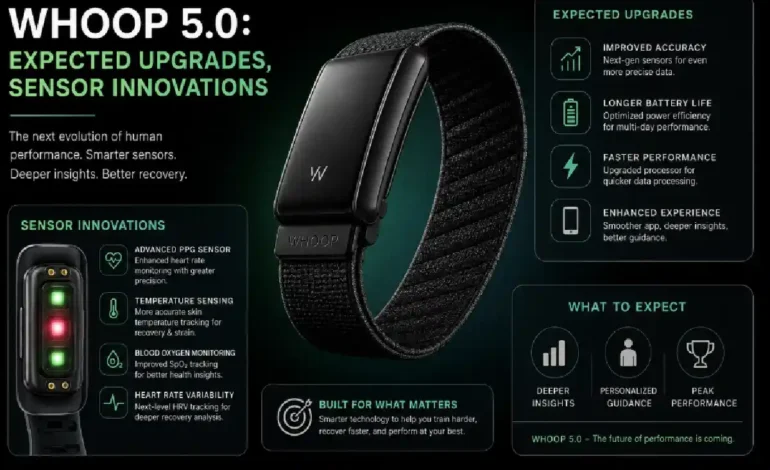
The Evolution of Screenless Recovery Trackers
The wearable fitness technology sector has undergone a significant transformation over the last decade. Early iterations of fitness bands focused almost exclusively on basic metrics such as step counts, rudimentary calorie estimations, and simple active minutes. Today, serious athletes, strength training enthusiasts, and individuals focused on long-term wellness demand far more nuanced insights. Modern devices prioritise autonomic nervous system response, sleep architecture analysis, and physiological strain monitoring.
Among the pioneers of this recovery-first approach is WHOOP. By omitting a digital display, the brand intentionally removes real-time digital distractions, focusing instead on continuous 24/7 background data collection. As wearable technology continues to advance, fitness enthusiasts and athletes are closely monitoring updates surrounding the expected launch of the whoop 5.0.
Understanding where fitness tracking technology is heading requires evaluating current baseline standards alongside established sensor advancements. Whether you are an endurance runner balancing high weekly volume or a recreational lifter striving for optimal systemic recovery, understanding wearable capabilities helps you make informed choices about your health technology stack.
What to Expect from WHOOP 5.0: Rumoured Features and Technical Advances
While official specifications remain subject to manufacturer announcements, observing broader industry trends and previous hardware release patterns offers clear insight into potential upgrades. Understanding where the hardware can improve helps contextualise what the whoop 5.0 might bring to the table.
1. Enhanced Optical Sensor Array
The core of any continuous health monitor lies in its optical sensor photoplethysmography (PPG) array. Previous generations utilized multi-LED configurations to monitor blood flow, calculating pulse rate, heart rate variability (HRV), and blood oxygen saturation. Future iterations are expected to refine these optical sensors to minimise signal noise during high-intensity dynamic movements, such as kettlebell swings, sprinting, or heavy barbell lifts where wrist flexion can distort optical readings.
2. Advanced Thermal and Skin Conductance Sensors
Continuous skin temperature tracking provides critical baseline information regarding circadian rhythm shifts, menstrual cycle phases, and early signs of physiological stress or illness. Upgraded sensor arrays may integrate precise electrodermal activity (EDA) sensors, measuring subtle changes in sweat gland activity to offer deeper insights into real-time psychological and physical stress levels.
3. Battery Architecture and Charging Pod Ergonomics
Battery longevity remains a central focus for screenless trackers. Maintaining continuous metric collection without requiring frequent removal demands efficient energy management. Future hardware iterations aim to balance slimmer physical profiles with increased battery density. Improvements to battery pod attachment mechanisms, water resistance during charging, and faster power transfer cycles represent key practical focus areas.
4. Algorithmic Refinements and On-Device Processing
Hardware improvements only deliver value when supported by robust data processing algorithms. Advanced baseline tracking allows machine-learning models to contextualise short-term strain spikes against long-term historical recovery averages. This provides users with actionable feedback regarding daily strain targets, sleep need calculations, and lifestyle habit impacts.
Wearable Fitness Tracker Capability Matrix
To evaluate how wearable technology evolves across hardware generations, the table below outlines core tracking metrics, traditional implementation methods, and emerging performance benchmarks.
| Feature / Metric | Previous Standard (e.g., 4.0 Era) | Anticipated Next-Gen Standard | Practical User Impact |
|---|---|---|---|
| Heart Rate Variability (HRV) | Single-baseline overnight PPG measurement | Multi-point autonomic sampling with refined noise filter | Higher precision in detecting recovery status and readiness |
| Skin Temperature Tracking | Relative offset from baseline during sleep | Continuous ambient and skin thermal trend analysis | Earlier detection of systemic fatigue or impending illness |
| Form Factor & Flexibility | Bicep/wrist bands and specialised smart apparel | Expanded sensor placement options with reduced mass | Greater comfort during sleep and high-flexion exercises |
| Battery Performance | 4 to 5 days continuous tracking with wireless pod | Extended operational lifecycle with rapid charging | Fewer data gaps caused by uncharged hardware |
| Stress & Recovery Integration | Daily recovery score based on sleep, HRV, and RHR | Real-time physiological stress mapping throughout the day | Immediate feedback on daytime strain and nervous system recovery |
A Buyer’s Decision Framework: Should You Wait or Invest Now?
Evaluating whether to wait for the whoop 5.0 or opt for an existing fitness tracker depends on your immediate training goals, current baseline data, and personal technology preferences. Use the checklist below to assess your current setup and determine your optimal approach.
Decision Checklist for Prospective Users
- Current Data Tracking: Do you currently track night-time HRV, resting heart rate, and sleep consistency? If you have no baseline tracking in place, starting with an available current-generation device provides immediate health insights rather than delaying data collection.
- Screen Preference: Are you looking for a dedicated screenless sensor designed to reduce screen time, or do you prefer on-wrist workout metrics and notifications during exercises?
- Subscription Model Compatibility: Continuous recovery trackers often operate on a hardware-as-a-service or monthly membership framework. Ensure this ongoing operational investment fits your long-term fitness budget.
- Specific Sport Requirements: If your sport involves high wrist contact (such as combat sports or gymnastics), screenless straps or bicep bands are significantly safer and more practical than standard smartwatches.
Alternative Wearable Technologies to Consider
If you are evaluating options in the market today, consider how different categories of health technology align with specific training styles:
- GPS Sports Watches: Ideal for endurance runners and cyclists who require real-time pacing, elevation mapping, and instantaneous wrist-based metric displays during training sessions.
- Smart Rings: Highly discreet for daily wear and sleep tracking, though less suited for heavy barbell work or manual labor due to risk of scratching or structural pressure on fingers.
- Standard Health Smartwatches: Excellent general-purpose devices offering everyday convenience, apps, and health tracking, though frequently requiring daily charging.
Optimising Recovery Data Safely and Effectively
Regardless of the specific hardware generation you select, leveraging physiological data requires a practical perspective. Metrics such as HRV, resting heart rate, and sleep efficiency offer valuable observations, but they should serve as supportive tools rather than absolute directives.
Sensible Application of Recovery Scores
It is easy to become overly dependent on a morning readiness score. If a wearable device indicates a low recovery score but you feel energetic, clear-headed, and well-rested, listen to your body. Subjective feel, mood, joint comfort, and appetite are equally critical indicators of physiological state. Use data to spot long-term patterns rather than letting a daily score dictate your psychological readiness to train.
Progressive Overload and Safe Training Practices
When using strain metrics to guide workout intensity, ensure you maintain foundational principles of physical conditioning:
- Form and Technique: Never sacrifice movement mechanics to achieve a target strain score on your wearable.
- Gradual Load Progression: Increase training volume, weight, or duration incrementally. Sudden spikes in volume to hit a device target increase the risk of tendonitis and acute physical strain.
- Periodised Rest: Build scheduled deload weeks into your training routine regardless of high recovery outputs. Connective tissue often requires more time to adapt than cardiovascular systems.
When to Seek Professional Guidance
Fitness trackers are designed for general wellness and performance monitoring; they are not medical diagnostic tools. If you observe persistent physiological abnormalities—such as unexplained heart rate spikes at rest, chronic chest pain, severe breathlessness, irregular heart rhythms, or ongoing extreme exhaustion—discontinue strenuous exercise immediately and consult an appropriately qualified healthcare professional.
Furthermore, individuals who are pregnant, managing chronic health conditions, or returning to exercise after surgery should seek medical clearance before modifying their exercise intensity based on wearable recommendations.
Frequently Asked Questions
Is the whoop 5.0 officially released?
Official release details, final hardware specifications, and global distribution timelines are managed directly by the manufacturer. Prospective buyers should monitor official announcements for verified product launches and hardware availability.
How does a screenless tracker differ from a traditional smartwatch?
A screenless tracker focuses exclusively on passive, continuous data collection without sending push notifications or displaying real-time text alerts. This design choice minimises distractions during daily activities and workouts while extending overall battery life relative to high-resolution display screens.
Can recovery tracking replace standard medical examinations?
No. Consumer wearable devices provide estimated observational trends for fitness and wellness planning. They are not intended to diagnose, treat, or prevent medical conditions. Regular check-ups with a qualified healthcare professional remain essential for comprehensive medical assessment.
Conclusion: Navigating Future Health Technology
The anticipation surrounding the whoop 5.0 underscores a broader shift in health and human performance: athletes and recreational fitness enthusiasts increasingly value detailed recovery management alongside raw training effort. Upgraded optical sensors, refined algorithms, and comfortable ergonomics continue to make physiological tracking accessible and actionable.
When deciding whether to wait for upcoming hardware revisions or invest in existing market tools, evaluate your immediate tracking needs. Establishing consistent habits around sleep hygiene, balanced nutrition, structured training, and listening to your body will always yield the greatest foundation for long-term health, with wearable data serving as a valuable guide along the way.
Related Guides
Explore more useful resources related to this topic: